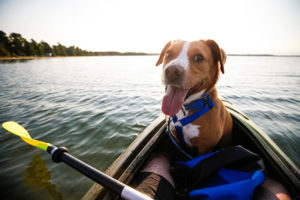
How to Safely Kayak with Your Dog

If you love being out on the water kayaking or canoeing and have a dog, it’s time to bring your two loves together. Paddling with your pup can be a fun bonding experience, especially for dogs who enjoy the water. Even if your dog doesn’t enjoy swimming, they may just enjoy being with you and taking in all the sights, sounds and smells of being out on the water.

If they do like to swim, then kayaking is not only a great workout for you, but also a great cross training workout that’s easy on the joints for them. Break up your walk routine and kayak with your dog.

Safety Tips for Kayaking with Your Dog

Before you hit the lake on your kayak, here are a few tips to keep in mind about kayaking with your dog.

Get Your Dog a Personal Floatation Device (PFD)

Just like you, even if your dog is a good swimmer and experienced on the water, it’s important to always wear a flotation device. Here’s why. If your dog falls out or jumps out without your permission and gets scared, the PFD will hold him/her up until you can get to them. Dog PFDs have a handle that makes for easy “pickup” which will aid you in getting your dog back into your kayak or up on the dock. If your dog is too big to be lifted by the handle it will still give you something to hold onto and steer them in the right direction.

Get Your Dog Familiar with Your Kayak

Some dogs are not good at sitting still and get very anxious in the kayak. Start by having your dog sit in the kayak while it’s still on dry land to get familiar with it. Move it around a bit so the get a feel for how it might rock and show them that there’s nothing to be afraid of. This is also a great time to determine what size kayak you need for kayaking with your dog. Some will sit fine in a one-person kayak, others will be more comfortable in a tandem kayak and depending on the size of your dog, you may need a tandem to be able to paddle.

Give Your Dog a Comfortable Place in the Kayak

Your dog’s comfort is key to a successful kayaking trip. For your dog to be comfortable in the kayak, you may need to cover the floor so he or she isn’t slipping and sliding when the kayak is in motion. It’s important to find something that won’t move when water gets under it as well. Indoor-outdoor carpet is good option for covering the floor of a canoe. For kayaks, the adhesive traction mats that are sold for stand-up paddle boards tend to work well.

Build Up Your Confidence as a Paddler

Before you head out with your dog, make sure you are sure of your own skills. You don’t have to be an expert kayaker by any means to enjoy a kayaking trip with your dog. There are plenty of still lakes with few distractions, but in general you’ll both have a much better and safer time together if you and your dog aren’t both uncertain and inexperienced on the water.

Train your Dog to Get in and Out of the Kayak

Before taking off, it’s a good idea to brush up on some basic obedience commands for your pup. Sit, stay and down are all good ones, but make sure you add a command for getting in and out of the kayak as well. And it’s not a bad idea to practice these commands in the kayak on dry land before heading out for the first time.

Take it Easy at First

For your first outing the ocean or a fast river is probably not the best option. Try a calm lake, pond or bay that you are familiar with. Try to stay where your dog could easily swim back to shore if needed. And pick a time of day when there will be fewer people and dogs out on the water so there will be less distractions for your dog. You may even want to bring along another person, so you have an extra set of hands in case you need help keeping your dog calm.

Teach Your Dog Good Paddling Etiquette

We all share the water, so it’s important to practice and instill good paddling etiquette with your dog. Teach your dog not to jump out of the kayak unless given the command. You don’t want them dashing off the kayak every time something catches their eye. You should also train your dog not to bark at or harass the wildlife or other paddlers out on the water. Also always clean up after your dog to keep our waters clean and safe.

Safely Store Your Kayak until Your Next Adventure

Although no one who loves being on the water wants to put their equipment away, a kayak storage rack will keep your property looking cleaner, your equipment lasting longer and allow you to get back out on the water faster. The durable storage systems from Log Kayak Rack are weather resistant, which allows them to be utilized as both indoor and outdoor storage solutions. Shop our quality kayak, canoe, and paddle board storage racks online or send us a message for a custom kayak storage solution.

How to Social Distance on the Water While Kayaking

A few weeks ago, social distancing was a new term for most of us. Now we are all well-rehearsed in the importance of it and are doing our best to still live our lives while keeping our distance from others. But keeping to ourselves doesn’t mean we have to give up everything we love. Most stay home or shelter in place rules don’t keep people from going outside and enjoying the outdoors. Most are encouraging it as a way to stay healthy during this stressful time, so long as you practice a few extra safety measures.

Maintain Social Distancing While Kayaking

While you may not be able to gather for a picnic or head into a restaurant after your trip, you can still get out there and enjoy the water. Here we’re going to go over a few ways you can continue to safely paddle or kayak while following the Covid-19 social distancing rules.

Keep Your Group Small

Now’s the perfect time to enjoy some solo time out on the water. But if you aren’t comfortable or able to be out there by yourself, make sure you keep the size of your group down. The fewer people in your group the better. If at all possible, keep it to just people you live with who you have already been exposed to.

Keep Your Distance

There should be least 6 feet between you and everyone else at all times. The water is no exception. The average length of a kayak is about 10 feet. So, for good measure, try to keep about a kayak’s length between you and everyone in your party at all times.

Handle Your own Equipment

Helping others right now is a no-go. It may feel impolite, but to maintain proper social distancing and to make sure we aren’t spreading germs indirectly through contamination of surfaces and objects, we all need to be responsible for our own stuff. So if it’s not yours, don’t touch it.

Paddle Smart

Regular safety rules and common sense still apply. You’ll want to check the weather forecast, dress appropriately and be aware of your surroundings. Now might not be the best time to take on any new challenges that could put you in danger or result in a hospital visit. And as always, make sure you’ve let someone know where you are going, your route and what time you should be back.

Enjoy

Even with these added safety measures, don’t forget to enjoy yourself and your time on the water. Nature can have an extremely calming and relaxing effect and now is the perfect time to take advantage of it.

Custom Kayak Storage Solutions

Keep your kayak, standup paddle board or canoe in top condition so you can continue to enjoy it during these stressful times with proper storage. Log Kayak Rack offers custom storage solutions for all types of small watercrafts. To find out more about our log kayak racks and storage systems, contact us online or call 1-715-543-2006.

Dos and Don’ts of Safe Spring Kayaking

Spring is in the air, the ice is starting to melt and for many paddlers that means it’s time to get back in the water. But before you pull your kayak or canoe out of storage and head out for the first time this year, let’s make sure we all stay safe out there and review some spring kayaking and canoeing safety tips.
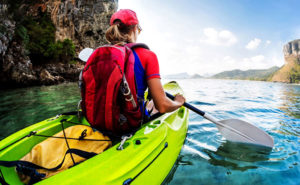
Spring Paddling Safety Tips

Spring weather can be unpredictable, and you may be out of practice if it’s been a while since your last kayaking or canoeing trip. Heading out too early, ignoring the weather or paddling beyond your abilities, can be extremely dangerous. Bear in mind these safety tips as you plan for paddling this spring.

Do Plan

Plan your route, plan for the weather and plan for the worst.  Make sure you know what to do if your canoe tips, you get stranded in bad weather or if someone gets hurt.

Don’t Forget to Tell Someone

You want to make sure your share your itinerary with someone you trust. Make sure there’s someone who knows where you should be and when and what to do if you are not.

Do Pack for Winter

It may feel like spring when you are dry, but that water is still cold and if you get wet, it will feel like winter. Pack like you would if it were still winter so that you have everything you need to stay warm and dry.

Don’t Skimp on The Clothing

Nice weather on land doesn’t always mean nice weather on the water. It’s important that you dress like you would for winter, meaning in layers with a waterproof shell and warm gloves.

Do Waterproof

Make sure your survival gear is going to stay dry. Put your phone in a waterproof case along with your other emergency supplies like matches, first aid kit and a map. And be sure to keep it on you or tethered to your boat so it doesn’t sink if you do flip.

Don’t Be Afraid to Call it Quits

It can be frustrating or embarrassing to have to turn back, but your safety is more important. If you see ice or whitecaps on the lake or are just feeling unsure of your own or other paddlers’ abilities, it may be time to head back.

Do Paddle Smart

Know your skill level, stick to daylight hours, stay close to shore and avoid rough water. If it’s your first time out in a while, paddle a step down from where you left off last year.


Stay Safe On and Off the Water

Spring can be a beautiful time of year for kayaking and canoeing, but it’s important that you stay safe. We hope these tips help you plan for safe fun on the water. If you are also interested in keeping your canoe or kayak safe off the water, consider a beautiful, hand-carved cedar log storage rack from Log Kayak Rack. We offer a variety of wall-mounted and free-standing racks for kayaks, canoes and other small boats.

Essential Equipment & Accessories for Beginner Kayakers

When beginning a new sport or hobby figuring out exactly what equipment and accessories are needed can be difficult. There are tons of different kayaking accessories out there, some are very universal where others are specific to a certain type of kayaking. But as a beginner, it can be difficult to sort through all of them to determine which ones you really need, which ones would be nice to have, and which ones can wait until you have more experience.
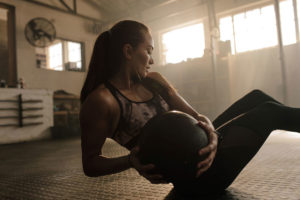
Here we’ve put together a list of essential gear every kayaker should have as well as one for non-essential kayaking equipment for beginners.

Essential Kayaking Equipment

Before you hit the water, this is a list of must have kayaking accessories and gear to make sure you stay safe on your trip on the water.

  1. Kayak: Kind of a no-brainer, if you want to start kayaking you will need a kayak. But do your research because there are many different types of kayaks and the type of kayak you choose will depend on what you plan to do with your kayak and at what level. Having the right kayak is important to making sure you get the most out of your new hobby as well as your safety.
  2. Paddle: Each type of kayaking requires a different type of paddle. Once you decide on a kayak, you can figure out what type of paddle to go with it. The nicer the paddle you choose, the more enjoyable your outings will be. Find a light-weight one that will be easier to swing back and forth and make sure it’s the right size. You don’t want one that’s too long for you. Place the paddle vertically and reach up. You should be able to comfortably wrap your fingers around the top of the paddle without stretching.
  3. Kayaking-Specific PFD: Kayaking personal floatation devices or life vests differ from others in a few ways. First, the back is higher so it doesn’t interfere with a kayak seat. They fit snug so not to rub when you paddle and are designed to allow movement. Some also have tow belt attachments, multiple pockets and places to lash on a knife, whistle and light.
  4. Spray Skirt: A spray skirt will help keep water out of the kayak. It is important that the skirt fits both you and your boat as you wear it around your waist and seal the cockpit opening with it. They are a necessity for whitewater and sea kayaking and nice if paddling recreationally in anything but perfect sunny weather.
  5. Helmet: Depending on the type of kayaking you will be doing a helmet might be required.

Non-Essential Kayaking Equipment for Beginners

These items may not be essential to getting out on the water, like having a kayak, a paddle and a lifejacket, but these items will certainly come in handy as you get started with your new hobby and could even save you in the event of an emergency.

  1. Clothing: From dry tops and wetsuits, to kayaking shoes and gloves, there are endless possibilities for clothing accessories. You can technically kayak in anything, so mostly it’s a matter of preference and water temperature. But you will want to wear something that gives you a good range of motion and that you will be able to swim in incase you find yourself in the water.
  2. Rope Bag: This is a rescue rope inside a throwable bag that can be thrown accurately in an emergency. Although not essential to kayaking, it is highly recommended that all paddlers carry a rope bag in case of emergency.
  3. Rescue Sling or Stirrup: A rescue sling can help you get in back into your kayak by giving you something to step on. This is particularly helpful as a beginning when you still learning how to get back into your kayak.
  4. Paddle float: A paddle float is another tool that can help you get back in your boat during a self-rescue. It is an inflatable bag that you inflate around one end of your paddle to use an outrigger to help you get back in.
  5. Knife: If you ever get tangled in a rope or stuck under a raft, a knife can certainly come in handy. It’s always a good idea to have one with you.
  6. Bilge Pump: If you capsize, get splashed by waves or another boat’s wake, you may take on water and will need to get it out. A bilge pump will help you do this.
  7. Float Bags: If your kayak doesn’t have bulkheads, you may want to buy float bags. These are bags that fit in the stern of the kayak that will help keep it from sinking if it takes on water.
  8. Dry Bag: These likely won’t save you during a rescue, but can save you from soggy snacks, a from ruining your camera or phone while kayaking.
  9. Kayak Storage Rack: You’ll want someplace safe to keep your kayak and gear when it’s not in use and a sturdy, kayak rack can do just that. There are lots options when it comes to kayak storage solutions. We offer free standing and wall mounted kayak racks that are beautifully handcrafted out of cedar logs. You can view our kayak storage systems online or contact us at 715-543-2006 if you are interested in learning more about our log kayak racks.

There are lots of other kayak accessories out there that are helpful and can make your kayaking trips easier and more enjoyable, but this is a short list of items that every kayaker really should have with them every time they are out on the water to keep them safe.

4 Exercises to Get You Ready for Kayaking

You may have stored your kayak for winter, but that doesn’t mean you don’t want to be ready first thing in the spring. Stay in shape during the off season with these exercises and make your first days back on the water more enjoyable.
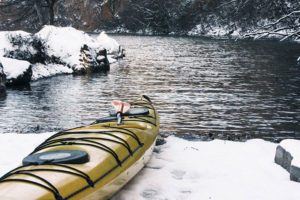
Open Book Exercise

Enhances range of core rotation, for efficient strokes.

  1. Lie on your side with your legs in front of you and bend them at 90 degrees. Extend both arms straight in front of you at about shoulder height, with palms touching.
  2. Slowly lift your top hand and arm while you rotate your torso and head to look behind you.
  3. Rotate as far as you can. You should feel a good stretch along your side and the front of your shoulder. Don’t force your arm to the ground if it is too tight or painful.
  4. Rotate back to the original position.
  5. Repeat 15 times on one side, then flip and do the exercise lying on your opposite side.

Skater with Uppercut

Engages glutes, quads and abdominal muscles to develop your rotational power and balance. The uppercut motion increases shoulder strength and endurance.

  1. Start in a standing position holding a lightweight dumbbell in each hand.
  2. Hop to the side, landing on your right foot, while bringing your left arm up diagonally across your chest as if doing an uppercut punch using your torso and core muscles rather than your arm muscles.
  3. Hop back to left leg, bringing your right arm diagonally up across your chest.
  4. Repeat 15 times on each side.

Rotating Medicine Ball V-Sit

Core exercise to target the obliques and mimic the rotation of paddling.

  1. Sit on the floor or ground with your legs together and in front of you and hold a lightweight medicine ball or dumbbell in front of your chest.
  2. Keep your back flat and your chest up and lean back 45 degrees. With knees bent, lift your legs so that your calves are parallel to the ground. Balance on your glutes as you hold a V shape between your torso and thighs.
  3. Twist at the waist and move the medicine ball toward your right hip. Touch the medicine ball to the floor and return to the starting position. Repeat on the opposite side.
  4. Complete 3 sets of 15 reps on each side.

Book Grab Exercise

Builds endurance in your forearm muscles to grip and manipulate a paddle.

  1. Stand upright with your arms at your sides gripping the spine of a large hardcover book in the center of your right hand and hold it (with your arm and the book hanging straight down) at your side.
  2. Hold for 10 seconds then repeat on the other side (holding the book on your left side with your left hand).
  3. Complete 15 reps on each side, alternating between sides and hands as you go.

Work these exercises into your workout routine a few times a week and when it’s time to take your kayak out of storage, you’ll be ready to paddle.

Custom Kayak Storage Solutions

If you are looking for a custom storage solution for your kayak, we’ve helped many customers design their perfect kayak storage. For specific questions, inquiries, or customer orders, contact Log Kayak Rack at 1-715-543-2006.

Cold Water Safety Tips: How to Survive an Icy Dip

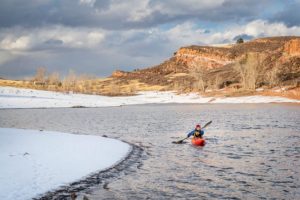
Just because it’s winter, doesn’t mean you have to put your kayak away. Winter kayaking can be a bit more dangerous, but with the proper gear and preparation, extremely enjoyable. Every time you head out on the water, there is a chance you could end up in the water. If you are headed out into cold water, which is estimated at about 70 degrees and under, you should be prepared to handle cold water immersion.
What to do in the Water

If you find yourself in the water, you are going to be immediately faced with panic, shock and disorientation. You will need to fight through these, regain composure and formulate a plan if you are going to survive.

Your main objective is to get yourself back out of the water as quickly as possible. Kayaks, canoes and many other small boats can be righted and re-entered. If the boat has capsized and cannot be made right, climb on top of it. This is something you should practice if you plan on cold water kayaking.

If you cannot get back into or on top of your kayak, you will need to decide to either swim to safety or wait for rescue. Swimming will be difficult and rob you of your body heat much faster. Consider how far you will need to swim before taking off. Few people can swim more than a mile in cold water.

If you are unable to self-rescue, all efforts should be focused on conserving energy and body heat. Even treading water will greatly increase your heat loss. Air trapped in clothing can provide buoyancy as long as you remain still. Learn and practice the proper Heat Escape Lessening Posture (HELP). If you are not alone, huddle together facing each other to maintain body heat.

Be Prepared

With proper preparation, training and practice, you can enjoy your love of kayaking year-round and see some amazing sights. Your kayak and equipment should be in top condition. Know how to dress in several light layers. Always wear a personal flotation device (PFD) and make sure it’s properly fastened. You will not be able to do it once your hands are cold and numb. Check the weather forecast before heading out and always tell someone where you are going and when you expect to return.

Custom Kayak Storage Solutions

One way you can keep your kayak in top condition is with proper storage. We’ve helped many customers design their perfect kayak storage. For specific questions, inquiries, or customer orders, contact Log Kayak Rack at 1-715-543-2006.

Kayaking in Cold Weather

Why would anyone want to kayak in colder weather?! For the hardy folks, fall or winter kayaking can lead to incredible views, less crowded areas, and an experience like no other. If you’re not afraid to paddle in minus a few degrees, you might find you truly enjoy cold weather kayaking.
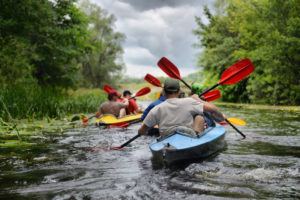
Before heading out, make sure you dress properly for the lower temperatures and double-check any weather updates before you go. Beyond that, we share our best tips to prepare and enjoy cold kayaking. Learn the top tips for cold water paddling for a safe and enjoyable experience that you’ll want to share with everyone.

Kayaking in Cold Weather Tips

Follow these cold-weather kayaking tips and reap the rewards of a winter paddle!

Paddle with a Group

Solo paddling is an incredible experience. However, if you want to paddle in cold weather, it’s best to head out in a group. This way, you can work together if something were to happen. Always let someone who’s not paddling know where you plan to go and when you plan to be back.

Check the Weather

Double and triple check the weather before you head out on the water. With any kayak excursion, familiarize yourself with the area and currents. High winds are frustrating during any kayak trip, but a chance of high wind during a cold-weather trip is a reason to postpone.

Phone Batteries 

Remember that cold weather will deplete your phone battery faster than average. Bring a VHF radio or another mode of communication with just in case and be aware of your phone’s battery.

Dress in Layers

Wear several non-cotton layers of clothing to keep warm. You still need to be able to wear your Personal Flotation Device (PFD) over your clothes, so keep that in mind while you’re getting dressed. Wear a hat to keep your head warm and wear thick socks so your feet stay toasty warm.

Waterproof Gloves

Protect your hands from the cold water as you paddle by wearing waterproof gloves. Have an extra pair, or two, of gloves handy in case you need them. You don’t want your hands to get wet and cold.

Pack Snacks

You’ll burn calories faster paddling in colder temperatures, so pack a couple of extra snacks to bring with you in the kayak. Pack something easy to munch like granola or power bars, trail mix, or dried fruit. You can always bring hot tea or hot chocolate to warm up during the trip.

Bring Dry Clothes  

Bring a change of dry clothes for after your trip! Even if you don’t get wet, you’ll want to have extra dry clothes in the car in case you need them or if another kayaker in your group needs them. You might just want to get out of all your gear and put on your dry clothes to warm up after your kayak.

Custom Kayak Storage Solutions

Looking for a custom storage solution? We’ve helped many customers design their perfect kayak storage. For specific questions, inquiries, or customer orders, contact Log Kayak Rack at 1-715-543-2006.

Kayaking Tips for Beginners

Nothing beats the feeling of gliding across the water in your kayak. If you’ve never kayaked before, you’re in for a great time. Lots of first-time kayakers become hooked and can’t wait to get back on the water.

If you’re reading this before you kayak for the first time, this will help you prepare for your first trip. If you’ve kayaked a couple of times but still consider yourself a beginner, then these tips will help you become a better kayaker and feel more comfortable on the water.
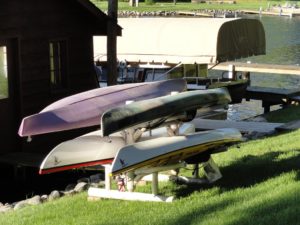
Follow these kayaking tips for beginners for a great first trip.

Kayak Gear and Clothing

When you’re getting dressed to kayak, a good rule of thumb is to dress for the water conditions, not the weather conditions. Wear comfortable clothing that can keep you warm in the water. Remember to protect your skin from the sun. Your legs are under your kayak, but your upper body will be exposed. Wear sunscreen or a long sleeve if the sun is shining.

Kayak Gear:

  • Life jacket
  • Paddle
  • Safety Whistle
  • Bilge pump
  • Waterproof bag

The waterproof bag can come in handy to store those items you want to bring with you that don’t want to get wet.

Kayak Safety

Whether you’re brand new to kayaking or have kayaked for years, always follow these kayak safety protocol.

  1. Check conditions
    Always double check the weather before heading out. When it doubt, reconsider your trip. Especially note if there are high winds or potential thunderstorms.
  2. Kayak with a buddy
    Always kayak with a buddy for more fun and safety. Keep your buddy within earshot and sight if either of your needs help.
  3. Know your limits
    Know how far you should kayak or how far from shore you should go. Be aware of the weather conditions.
  4. Practice falling out and getting back in
    Before your first trip, practice getting in and out of your kayak from the water. This practice will come in handy if you do ever tip.

Launching Your Kayak

Launching your kayak can be tricky. You must be able to get in and out without tipping your kayak and be able to propel yourself forward.

You and your buddy can bring each kayak down to the water and place them close to shore. One at a time, you’ll gently place your kayak in the water. If you go first, have your buddy hold your kayak steady in the water while you swing your leg over and place your butt down first. This keeps the boat from tipping while you bring your legs in. While you’re in your kayak, you can hold your buddy’s kayak in place for her to get in.

Basic Kayak Strokes

These are the three basic kayak strokes you need to know. While holding your paddle, always make sure the scooped sides are facing outward while you paddle.

Forward Paddle – Rotate your torso and dip the paddle in the water in front of you. When you bring the paddle back, it creates an arc in the water. Think of yourself slicing the water. You’ll have to switch sides depending on the wind or water conditions.

Reverse Paddle– This is the same motion as the forward paddle, but in reserve and propels your boat backward.

Sweep Stroke– This is an exaggerated forward stroke to turn and send your kayak in the opposite direction you are paddling.

Your Kayak Adventure Begins

We know you will fall in love with kayaking and want kayak as much as you can. You might even consider buying your own kayak. Once you have the nice, new kayak, you will need to properly store it.

Invest in a custom kayak rack that will store your kayak, so it lasts longer and requires less maintenance. For specific questions, inquiries or custom orders, contact Log Kayak Rack at 1-715-543-2006.

6 Kayak Safety Tips

Kayaking is one of the best ways to experience and sightsee a destination. You get to enjoy the beautiful view around you while being up close with the water. Many avid kayakers have experienced incredible close-ups of wildlife and can see a diverse landscape or geographic formation in a way unlike any other.

However, all avid kayakers know the importance of kayak safety. With any outdoor activity, you need to aware of your surroundings and prepared for anything to happen with the hope that it never does!

Today, we share our top 6 kayak safety tips so you are ready for any emergency and are ready to experience the beauty of kayaking.

6 Kayak Safety Tips

Follow these tips so that you’re always prepared for any emergency or situation.

1. Check the Weather

Whether you’ve kayaked this same body of water for years, or it’s a new place, check the weather before heading out. If you do arrive at your destination and realize the weather seems harsher than you expected, reconsider your kayak expedition.

Be especially aware of high winds, thunderstorms, or extreme heat. High winds are dangerous even for the strongest kayakers and can make the return journey difficult. Thunderstorms bring lighting which isn’t safe to be out in the open water. Extreme heat is dangerous for any outdoor activity because you risk dehydration.

2. Always Wear Your PFD

Always wear your personal flotation device (PFD) when you are kayaking. Even if you’ve been kayaking for many years and have lots of experience, always wear your PFD when you’re on the water. In fact, the Coast Guard does require that you wear your PFD.

3. Pack Your Emergency Essentials

Speaking of emergencies, have your essential emergency pack with you on every kayak trip and frequently check it over. Your pack should be in a waterproof bag and contain the basics including; a signaling whistle, headlamp, basic first aid kit, and a towline.

4. Dress Appropriately

Dress for the conditions of your kayak trip. If you’re going to be paddling through cold water wear a wet suit to keep you warm if you end up in the water.

If you’re kayaking in warmer conditions, your lower body is hidden from the sun’s elements under your kayak, but wear a lightweight, long sleeve or sunscreen to protect your skin from the sun’s UV rays.

5. Practice Water Safety Skills

If you fall out of your kayak in open water, are you able to get back in? It’s a good idea to occasionally practice water safety skills in a warm, shallow location. Practice flipping your kayak and getting yourself back in.  Practice group safety and practicing a buddy rescue if you kayak with a group.

6. Tell Someone Your Kayak Plan

With any outdoor recreational activity, let someone know your plan of where you’re going and how long you plan to be gone. This way, your friend or family member knows where you are and if you’re not back at the time you said, he or she can get help.

Practice these kayak safety tips and enjoy all the amazing experiences kayaking will bring.

Your Custom Kayak Rack

Invest in a custom kayak rack that will store your kayak and make it even easier to hit the water.

For specific questions, inquiries or custom orders contact Log Kayak Rack at 1-715-543-2006.